
If you run online ads, you need to know whether your money brings results. Getting clicks feels good, but clicks do not pay your bills. Sales, leads, and sign-ups do.
This is where CPA in digital marketing becomes useful. CPA tells you how much you spend to get one customer or one valuable action. Once you know this number, you stop making decisions based on guesses. You start spending your budget where you see real returns.
Many beginners spend hours checking impressions, clicks, and likes. Those numbers look impressive, yet they do not always lead to sales. CPA helps you focus on what matters most.
This guide explains CPA in simple words. You will learn how to calculate it, why marketers pay close attention to it, what affects it, and what you should do to lower your CPA over time.
What Is CPA in Digital Marketing?
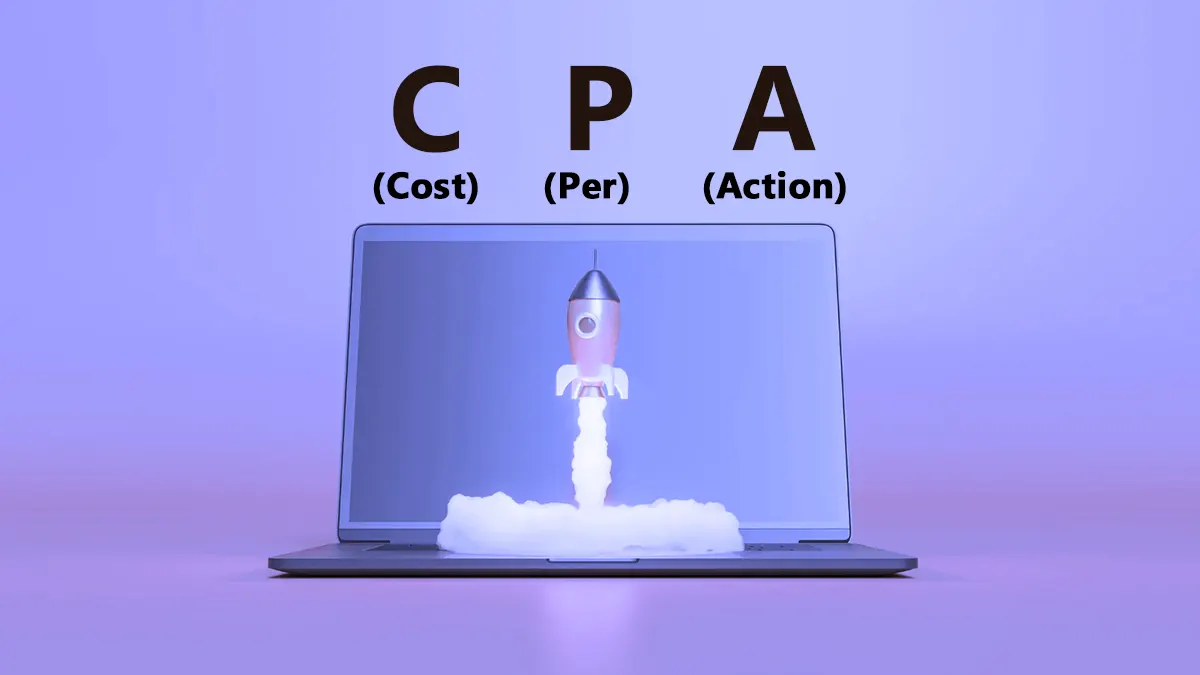
CPA stands for Cost Per Acquisition. Some marketers also call it Cost Per Action. An acquisition is the action you want a visitor to take. The action depends on your business goals.
For example, an acquisition might be:
- Buying a product
- Filling out a contact form
- Signing up for a newsletter
- Downloading an app
- Booking a service
- Registering for a webinar
- Starting a free trial
Instead of measuring how many people clicked your ad, CPA measures how much you paid for each successful conversion. This metric gives you a better picture of your campaign performance.
How to Calculate CPA
The formula is simple.
CPA = Total Advertising Cost ÷ Total Number of Conversions
Here is an example.
You spend $1,000 on Facebook Ads.
Your campaign generates 50 sales.
Your CPA is $20.
This means each customer costs you $20.
Most advertising platforms show this number automatically. Even so, you should know how the calculation works. Doing the math helps you understand your reports with confidence.
Why CPA Matters
Many people focus on traffic. More visitors seem like a good sign.
Traffic alone tells only part of the story.
Suppose two campaigns produce different results.
- Campaign A gets 8,000 visitors and 40 sales.
- Campaign B gets 2,000 visitors and 100 sales.
Campaign B performs better because more visitors become customers.
CPA helps you spot this difference. Instead of looking at clicks, you look at results.
If your goal is business growth, CPA deserves your attention.
Why Businesses Track CPA
Businesses use CPA because it helps answer an important question.
How much does one customer cost? Without this number, spending decisions become difficult.
CPA helps you:
- Measure campaign performance
- Compare different advertising platforms
- Control marketing costs
- Improve profits
- Find campaigns worth scaling
For example, suppose Google Ads produces customers for $25 each while another platform costs $60 for the same type of customer. You now know where your budget delivers better value.
What Counts as an Acquisition?
Every business defines an acquisition differently.
- An online store usually counts completed purchases.
- A software company often tracks free trial registrations.
- A local service business might count phone calls or appointment bookings.
- Choose one goal before launching your campaign.
- Changing your goal halfway through makes your reports harder to understand.
Also Read: How to Create Pinterest Business Account
Factors That Affect CPA
Many factors influence CPA. Some relate to your ads. Others depend on your website or audience.
Let’s look at the most common ones.
Your Target Audience
Showing ads to the right people improves conversion rates.
Suppose you sell running shoes. Showing your ads to people interested in running makes more sense than showing them to everyone. Better targeting often leads to lower acquisition costs.
Your Landing Page
Your landing page plays a major role. People expect pages to load quickly. They also expect clear information and an easy checkout process.
If visitors struggle to find what they need, many leave without buying. Small improvements often increase conversions.
Focus on:
- Fast loading speed
- Simple layout
- Clear headlines
- Easy navigation
- Strong call-to-action
- Mobile-friendly design
Ad Copy
Good ads answer simple questions.
- What are you offering?
- Why should someone care?
- What should they do next?
Avoid long paragraphs and confusing language. Short, direct copy usually performs better.
Your Offer
Sometimes the ad is not the problem. Your offer might need work.
For example, free shipping, discounts, or a free consultation often encourage more people to convert.
Competition
Some industries cost more than others. Insurance, finance, and legal services usually have higher advertising costs because many businesses compete for the same audience.
Higher competition often leads to higher CPA.
CPA vs CPC vs CPL
These terms often confuse beginners. They measure different parts of your marketing funnel.
- CPA means Cost Per Acquisition.
- CPC means Cost Per Click.
- CPL means Cost Per Lead.
Suppose you pay $2 every time someone clicks your ad. Those clicks do not guarantee sales.
CPA focuses on completed actions instead of clicks. This makes CPA more useful when measuring business performance.
How to Reduce CPA in Digital Marketing
Lowering CPA takes time. Most improvements come from testing and making small changes.
Here are practical methods you should try.
1. Improve Audience Targeting
Start with your ideal customer.
Think about age, interests, location, income, and buying habits.
Showing ads to people who need your product often improves conversion rates.
2. Test Different Ads
Never rely on one advertisement.
Create multiple versions.
Test different:
- Headlines
- Images
- Videos
- Calls to action
- Descriptions
One small change sometimes leads to better results.
3. Improve Your Landing Page
Many businesses spend thousands on ads but ignore their landing pages.
Look for problems.
- Does the page load slowly?
- Is the headline confusing?
Is the purchase button easy to find?
Fixing these issues often improves conversions without increasing your ad budget.
4. Remove Poor Performing Keywords
If you run search ads, review your keyword reports.
Some keywords generate clicks but no sales.
Stop spending money on them.
Focus on keywords that bring customers.
5. Use Remarketing
Most visitors do not buy during their first visit.
Remarketing helps you reach those visitors again.
Since they already know your business, they often convert at a lower cost.
6. Track Every Conversion
Incorrect tracking leads to poor decisions.
Check your tracking setup regularly.
If conversions are missing, your CPA reports become inaccurate.
Reliable data helps you improve campaigns faster.
Common CPA Mistakes
Many advertisers repeat the same mistakes.
Learning from them saves both time and money.
Looking Only at CPA
A low CPA does not always mean higher profits.
Suppose you spend $20 to acquire a customer who spends $30.
Another campaign costs $50 per customer, but each customer spends $400.
The second campaign earns more money.
Always compare CPA with revenue and profit.
Ignoring Customer Value
Some customers buy once.
Others return several times each year.
Repeat customers often produce much more revenue over time.
Look beyond the first purchase.
Stopping Tests Too Early
Many advertisers stop testing after a few days.
Data needs time.
Wait until you collect enough conversions before making changes.
Small sample sizes often lead to poor decisions.
Tools That Help Track CPA
Several tools make CPA tracking easier.
Popular choices include:
- Google Analytics
- Google Ads
- Meta Ads Manager
- Microsoft Advertising
- HubSpot
- Shopify Analytics
These platforms show where your conversions come from and how much each one costs.
Review your reports often. Small changes become easier to spot when you check your data regularly.
What Is a Good CPA?
There is no single answer.
A good CPA depends on your business.
Suppose your product sells for $500.
Paying $40 to acquire a customer might be a good result.
Now suppose your product sells for $20.
A CPA of $40 would not make sense.
Compare CPA with your profit margin instead of comparing it with other businesses.
Every industry works differently.
Tips for Improving CPA Over Time
Improving CPA is an ongoing process.
Keep these habits in mind.
- Review campaign performance every week.
- Test new ad creatives regularly.
- Improve landing pages based on visitor behavior.
- Remove poor performing keywords.
- Focus on high-converting audiences.
- Track every conversion accurately.
- Compare CPA with revenue before making decisions.
Small improvements add up over time.
Final Thoughts
CPA in digital marketing helps you understand how much each customer costs. This number helps you make better decisions about your advertising budget.
Do not focus only on clicks or impressions. Those numbers tell part of the story. Conversions show whether your campaigns produce results.
Review your CPA often. Test new ideas. Improve your landing pages. Write clearer ads. Track every conversion. These steps help you lower costs while increasing sales.
Digital marketing changes often, but one principle stays the same. Spend your budget where you earn the best return. When you monitor CPA and improve your campaigns step by step, your marketing becomes more efficient and your budget works harder for your business.
Also Read: Find Instagram by Phone Number