People see ads every day. Most of them disappear from memory within minutes. A hands-on experience leaves a stronger impression.
Think about a local store offering free product samples. You try the product, ask questions, and decide whether you like it. You leave with your own opinion instead of relying on an advertisement. This approach explains why many businesses invest in experiential marketing.
If you want your customers to remember your business, giving them something to experience often works better than asking them to watch another ad.
Here we explain what experiential marketing is, why businesses use it, common examples, benefits, challenges, and simple ways you create your own campaign.
What Is Experiential Marketing?
Experiential marketing is a marketing strategy where customers interact directly with a brand through activities, events, demonstrations, or digital experiences.
Instead of talking about a product, a business lets people try, test, or experience it themselves.
People also refer to experiential marketing as experience marketing, engagement marketing, participation marketing, or live marketing. The main goal is simple. Give customers a positive experience they remember after they leave.
For example, reading about a new coffee machine tells you one story. Making your own cup of coffee with it tells you much more.
Why Businesses Choose Experiential Marketing
Many people ignore online ads, skip video commercials, and scroll past sponsored posts. Businesses need better ways to earn attention.
Experiential marketing gives customers a reason to stop, participate, and spend time with a brand.
A good experience helps you:
- Build trust with customers
- Increase brand awareness
- Create conversations on social media
- Encourage word-of-mouth referrals
- Improve customer loyalty
- Help people understand your products
Research from EventTrack has shown people are more likely to buy from brands after taking part in a positive brand experience. Many also share those experiences with friends or on social media.
How Experiential Marketing Works
Experiential marketing focuses on participation. Customers do more than watch. They join the experience.
Most campaigns follow a simple process.
- Identify your audience.
- Create an activity people enjoy.
- Let customers interact with your product or service.
- Encourage photos or videos.
- Ask for feedback after the event.
- Continue the conversation through email or social media.
Every step should help customers feel involved instead of feeling like they are listening to a sales presentation.
Common Types of Experiential Marketing
Businesses use many different formats. The right choice depends on your audience and budget.
- Pop-Up Stores: A temporary store creates curiosity because people know it will not stay open forever. Many brands use pop-up stores to launch products or reach new customers.
- Product Demonstrations: A product demonstration gives customers time to test a product before buying. Technology companies, beauty brands, food companies, and home appliance brands often use this method.
- Live Events: Workshops, contests, product launches, and community events help businesses meet customers face to face. These events also give people opportunities to ask questions.
- Virtual Experiences: Online experiences work well for businesses with customers across different locations. Virtual product launches, live demonstrations, and interactive webinars allow people to participate without traveling.
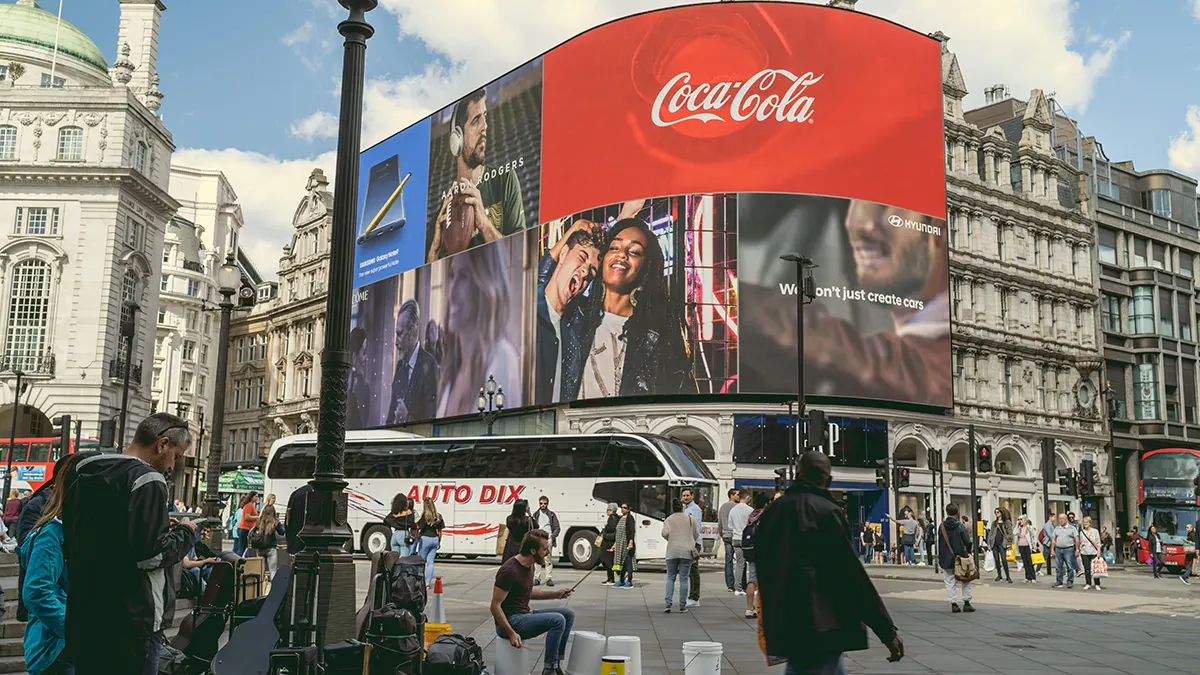
- Interactive Installations: Some brands create displays in shopping malls or public spaces where visitors interact with products, take photos, or complete activities.
These experiences often receive attention on social media.
Also Read: What Are Two Questions That Smart Spenders Ask Before Making a Purchase?
Real Examples of What Is Experiential Marketing
Real examples explain this strategy better than any definition.
- Free Food Samples: A supermarket offers free samples of a new snack. Customers taste the product before buying. Many people feel more confident after trying something first.
- Electronics Experience Center: A mobile phone company sets up an experience booth inside a shopping mall. Visitors test camera quality, battery performance, and new features before making a purchase.
- Fitness Event: A sportswear company organizes a local running event. Participants wear new shoes during the event and share feedback afterward. The event introduces the products in a natural way.
- Coffee Tasting Event: A local coffee shop hosts a tasting session where customers compare different coffee beans and brewing methods.
Many visitors leave with a favorite blend and a stronger connection with the business.
Benefits of Experiential Marketing
Experiential marketing gives businesses several long-term advantages.
- Customers Remember the Experience: People often remember personal experiences longer than advertisements. A positive event creates a lasting impression.
- Better Customer Relationships: Face-to-face conversations help businesses answer questions and understand customer needs. Trust grows through direct interaction.
- More Social Media Content: People enjoy sharing unique experiences. Photos, videos, and reviews spread your message without additional advertising costs.
- Higher Brand Awareness: One successful event often reaches people who never attended. Friends, family members, and online followers see shared content and learn about your business.
Challenges You Should Know
Experiential marketing also brings challenges.
Planning takes time.
Events need staff, equipment, and preparation.
Some campaigns cost more than traditional advertising.
Measuring success also takes effort.
Many businesses track results using:
- Event attendance
- Customer feedback
- Social media engagement
- Website visits
- Email sign-ups
- Sales after the campaign
These numbers help you understand whether the campaign reached your goals.
How You Create a Strong Experiential Marketing Campaign
A successful campaign starts with your audience.
- Learn what interests them.
- Choose an activity people enjoy instead of one focused only on selling.
- Keep the experience simple.
- Customers should understand what to do within a few minutes.
- Encourage participation.
People remember experiences where they take part instead of watching from the side.
- Ask attendees for feedback before they leave.
- Their opinions help you improve future events.
- Take photos and videos during the event.
Many customers enjoy sharing their experience online, which gives your business additional exposure.
What Is Experiential Marketing Compared With Traditional Marketing?
- Traditional marketing focuses on delivering information.
- Experiential marketing focuses on participation.
- Traditional advertisements tell customers why a product is good.
- Experiential marketing lets customers decide after trying the product themselves.
- Many businesses combine both approaches.
An online advertisement brings people to an event. The event creates the experience. Social media keeps the conversation going after the event ends.
Does Experiential Marketing Work for Small Businesses?
Yes.
A small business does not need a large budget to create meaningful experiences.
Here are a few ideas.
- A bookstore hosts a local author event.
- A bakery offers weekend tasting sessions.
- A gym runs free fitness classes.
- A clothing store provides personal styling appointments.
- A garden center teaches a weekend planting workshop.
Simple events often leave a stronger impression than expensive promotions.
The Future of What Is Experiential Marketing
Customer expectations continue to change. Businesses now combine in-person experiences with online events. Personalized experiences are becoming more common.
Technology also helps businesses create interactive demonstrations for customers who shop from home.
Businesses still need one thing above everything else. They need experiences people enjoy and remember.
Final Thoughts
What is experiential marketing? The answer is simple. Experiential marketing gives customers a chance to interact with your business instead of watching an advertisement.
Whether you organize a workshop, host a tasting event, launch a pop-up store, or run an online demonstration, your goal stays the same. Give people an experience worth remembering.
Customers who enjoy spending time with your brand are more likely to return, recommend your business, and talk about their experience with others. Those conversations often become your strongest form of marketing.
Also Read: CPA in Digital Marketing: A Practical Guide to Lower Costs and Get More Conversion